

If you’ve ever seen someone take a puff from their vape and produce a massive cloud—much thicker and denser than yours—you’re not alone. Many vapers wonder why some devices generate huge vapor while theirs seems lighter, thinner, or less impressive. Vapor production is influenced by several factors: the type of device, coil design, airflow, e-liquid composition, wattage output, and even the user’s inhaling technique. Understanding these differences can help you figure out whether your vape is performing normally or if there’s room for improvement. Below is a comprehensive explanation of the key reasons why other people’s vapes produce so much vapor.
1. The Type of Device Makes the Biggest Difference
Not all vapes are built for cloud production. In fact, devices fall into two major categories:
Mouth-to-Lung (MTL) Devices
These include small disposables, pod systems, and compact vapes. Their characteristics:
-
Low vapor output
-
Tight airflow similar to smoking
-
Lower wattage
-
High nicotine satisfaction
If you’re using a simple disposable or a pod-style vape, it’s not designed to create massive clouds. These devices prioritize convenience, flavor, and nicotine delivery rather than extreme vapor.
Direct-to-Lung (DTL) / Sub-Ohm Devices
These are the ones used by people who blow huge clouds. They feature:
-
Powerful batteries
-
High wattage (40W–200W)
-
Large mesh coils
-
Wide airflow
-
Low nicotine e-liquid
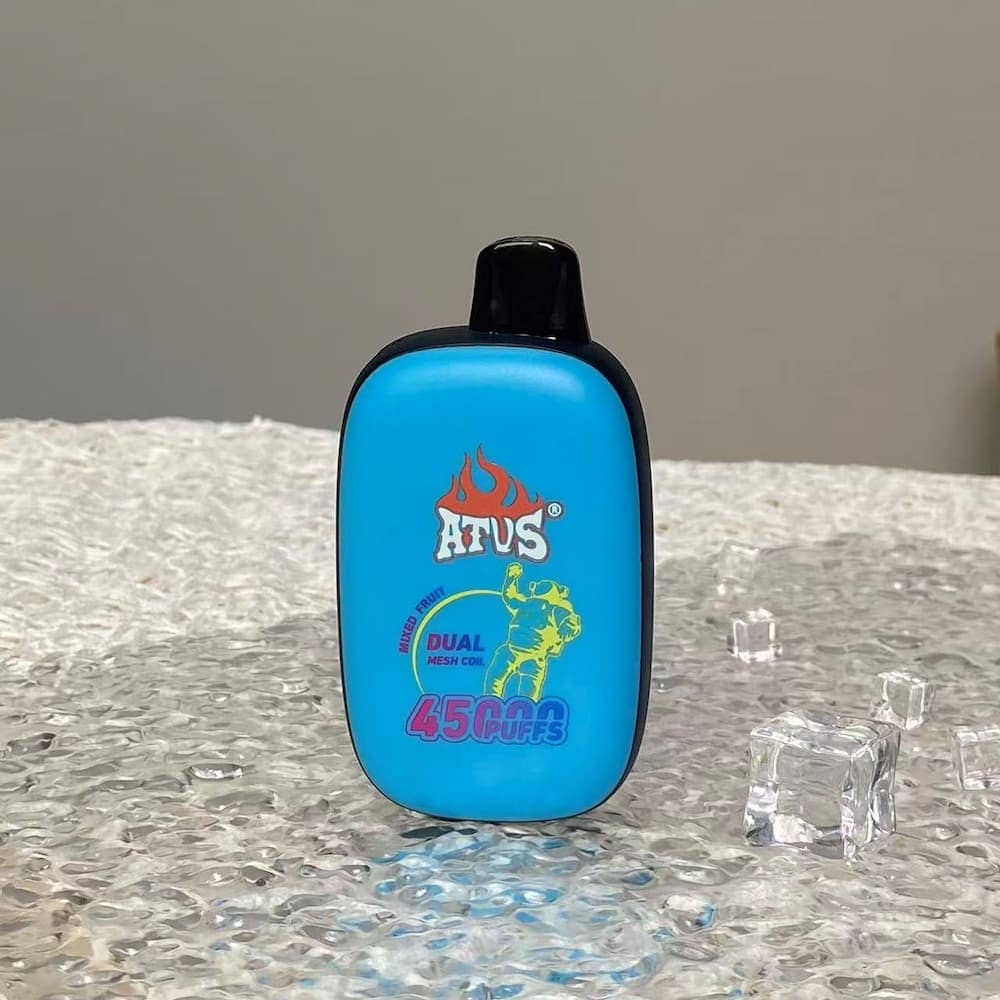
These devices vaporize significantly more liquid per puff, resulting in thick, dense clouds. If someone is producing huge vapor, they’re likely using a sub-ohm tank, box mod, or high-power disposable.
2. Coil Type and Resistance Levels Affect Vapor Output
Coils play a huge role in vapor production. Sub-ohm devices use coils with resistance below 1.0Ω—usually around 0.15–0.6Ω. Lower resistance coils heat faster, absorb more e-liquid, and vaporize larger amounts per puff.
Key differences:
| Coil Type | Vapor Output | Typical Use |
|---|---|---|
| Standard coils (1.0Ω+) | Low–medium | MTL vapes, pods, small disposables |
| Mesh coils (0.15Ω–0.6Ω) | Very high | Sub-ohm devices, cloud production |
| Ceramic coils | Smooth & steady | Flavor-focused devices |
Mesh coils have become the standard for big vapor devices because:
-
They heat evenly
-
They create more surface area
-
They vaporize more e-liquid
-
They remain stable at high wattage
So when you see gigantic clouds, there’s a good chance the device is using large mesh coils designed specifically for vapor volume.
3. Airflow Plays a Major Role in Cloud Production
Airflow design changes everything. Big-cloud devices typically have:
-
Wide open airflow
-
Multiple airflow slots
-
Adjustable airflow rings
-
Direct-to-lung inhalation design
More airflow allows more vapor to form and creates a smoother inhale at high wattages.
If your vape has:
-
Small airflow holes
-
No adjustable airflow
-
A tight draw
…it will naturally produce less vapor.
Open airflow = Big clouds
Tight airflow = Small, cigarette-like clouds
4. Higher Wattage = More Vapor
Wattage determines how quickly the coil heats up and how much e-liquid it can vaporize at once.
Low-power devices:
-
5W–15W
-
Gentle vapor
-
Intended for nicotine efficiency
High-power devices:
-
40W–200W
-
Massive vapor
-
Require low-nicotine liquid
Many large-cloud users vape at 60–100W or even higher, while small disposables usually run at 8–12W. That massive wattage difference directly affects the size of the cloud.
5. The E-Liquid Used Makes a Huge Difference
Not all vape juice is the same. The two main ingredients that affect cloud size are:
VG (Vegetable Glycerin)
-
Thick
-
Creates dense vapor
-
Smooth inhale
-
Ideal for cloud chasing
-
Common in sub-ohm liquids (70% VG or higher)
PG (Propylene Glycol)
-
Thinner
-
Strong throat hit
-
Better flavor delivery
-
Less vapor production
When someone is blowing huge clouds, they are most likely using high-VG e-liquid.
By contrast, many disposables use:
-
50/50 VG/PG
-
Or 60/40 ratios
-
Designed for smooth nicotine, not cloud production
If your vape uses a balanced or PG-heavy blend, you will naturally get less vapor.
6. Nicotine Strength Influences Vapor Size
Low nicotine = high vapor
High nicotine = low vapor
Cloud-chasing setups use very low nicotine, often:
-
0mg
-
3mg
-
6mg
This allows users to take large, deep inhales without harshness.
Small vapes and disposables use:
-
20mg (UK/EU)
-
30–50mg (US and other regions)
High nicotine liquids cannot be inhaled deeply, so devices are designed to produce less vapor per puff to prevent discomfort.
7. User Technique Also Impacts Vapor Production
Even with the same device, inhaling technique matters.
People who produce large clouds typically:
-
Inhale directly into their lungs
-
Take long, deep draws (3–5 seconds)
-
Exhale slowly for maximum density
-
Use open airflow settings
MTL users usually:
-
Take quick, gentle puffs
-
Hold vapor in the mouth first
-
Produce significantly smaller clouds
Technique alone can easily triple or quadruple the amount of visible vapor.
8. Newer Devices Are Simply More Powerful
High-performance disposables today—20,000 puffs, 30,000 puffs, 40,000 puffs—use:
-
Dual mesh coils
-
Turbo airflow systems
-
Intelligent chipsets
-
High wattage output
-
Large batteries
Someone using a high-end model like a 40,000-puff device with a screen will naturally produce much more vapor than someone using an older or smaller vape.
Technology evolves quickly, and modern devices are optimized for vapor density, smoothness, and heat efficiency.
9. Environmental Conditions Also Affect Cloud Size
Even the weather can change vapor visibility:
-
Cold air makes vapor appear thicker
-
Humid air makes clouds linger longer
-
Hot, dry air reduces cloud density
-
Indoor environments amplify cloud size
So part of the “why is their vapor so big?” effect might simply be the surroundings.
Final Thoughts: Why Other People’s Vapes Produce More Vapor
Other people’s vapes produce more vapor mainly because of:
-
The type of device (DTL vs. MTL)
-
High-wattage power output
-
Sub-ohm or mesh coils
-
Wide airflow
-
High-VG e-liquid
-
Low nicotine strength
-
Advanced technology
-
Deep inhaling technique
If your vape produces less vapor, it may be functioning exactly as designed—many devices are optimized for smooth nicotine delivery, portability, and flavor rather than cloud production.
Related Blog
-
Are There Any Vape Gift Sets Suitable for Giving as Gifts?
In today’s world, vaping has grown beyond a simple nicotine alternative—it has evolved into a lifestyle product, often associated with sleek design, p…
-
What Are the Differences Between Waspe 60000 Puffs and ATVS 60000 Puffs Disposable Vape?
In the rapidly growing world of high-end disposable vapes, two names are attracting significant attention in the 60,000-puff segment: Waspe and ATVS. …
-

What’s the Difference Between ATVS and ELFBAR 30000 Puffs Disposable Vapes?
Disposable vapes with ultra-high puff counts have become increasingly advanced, integrating adjustable settings, stronger batteries, and diverse desig…
-
Will the E-Liquid in a Vape Solidify at Low Temperatures?
As winter arrives and temperatures drop, many vape users begin to wonder: Will the e-liquid inside a vape solidify in cold weather? This question beco…
-
The Ultimate Guide to Refillable Pod Vapes with Superior Flavor in 2025
For vaping enthusiasts who prioritize a rich and authentic taste experience, refillable pod vapes have become the premier choice. While convenient, di…
-

What Is the Difference Between Alternative Vapes and Genuine Ones?
As the vaping market continues to grow, consumers are faced with more choices than ever before. Alongside well-known, genuine vape brands, there is al…