

As winter arrives and temperatures drop, many vape users begin to wonder: Will the e-liquid inside a vape solidify in cold weather? This question becomes even more relevant for people living in colder regions or those who store their vaping devices outdoors or in vehicles. Understanding how temperature affects e-liquid is essential for maintaining performance, flavor quality, and the overall lifespan of your vape.
The short answer is: E-liquid rarely solidifies completely, but it can thicken, slow down, or behave differently at low temperatures, leading to noticeable changes in your vaping experience. Let’s take a deeper look at why this happens, what effects to expect, and how to store your vape properly during cold seasons.
Why E-Liquid Changes in Low Temperatures
E-liquid is made from a mixture of propylene glycol (PG), vegetable glycerin (VG), nicotine, and flavorings. Among these ingredients, VG is the most temperature-sensitive. VG is already naturally thick at room temperature, and when exposed to cold weather, it becomes even more viscous.
By contrast, PG is thinner and doesn’t thicken as easily as VG. This means that high-VG vape juices are much more likely to experience performance issues in cold temperatures than high-PG juices.
In most cases, e-liquid will not freeze solid the way water does because:
-
PG freezes at around –59°C
-
VG freezes at around –38°C
-
Nicotine and flavorings also have very low freezing points
Since winter temperatures rarely reach those extremes, e-liquid will not turn into ice, but it can become syrup-like, which may disrupt proper wicking and vaporization.
Effects of Cold Temperatures on Your Vape
When e-liquid becomes thicker, several performance issues can occur:
1. Reduced Wicking Efficiency
Inside a vape pod or tank, e-liquid needs to travel through a cotton wick before being vaporized. When the liquid thickens due to low temperature, it moves more slowly, causing:
-
Dry hits
-
Burnt taste
-
Inconsistent vapor production
This is particularly common in high-VG e-liquids used in sub-ohm devices.
2. Poor Vapor Production
Cold, thickened vape juice vaporizes less efficiently, leading to:
-
Smaller cloud production
-
Weaker flavor
-
Delayed coil activation
The device may also need more power to heat the coil properly, which drains the battery faster.
3. Altered Flavor
Cold temperatures can dull or mute flavor. Some ingredients settle or blend differently when exposed to cold, resulting in:
-
Less sweetness
-
Weaker aroma
-
Flat or inconsistent taste
Once the e-liquid returns to room temperature, flavor usually returns to normal.
4. Battery Performance Issues
Lithium-ion batteries don’t perform well in the cold. The lower the temperature, the weaker the electrical output. Even though this doesn’t cause e-liquid to solidify, it adds to the feeling that the vape “isn’t working,” as:
-
Firing power weakens
-
Vapor becomes thin
-
Battery drains faster
Can E-Liquid in Disposable Vapes Solidify?
Disposable vapes are sealed, so they cannot be opened or manually adjusted. While their e-liquid won’t freeze solid, extreme cold can cause:
-
Thickened liquid
-
Poor wicking
-
Reduced vapor production
-
Weak flavor
-
Slower device response
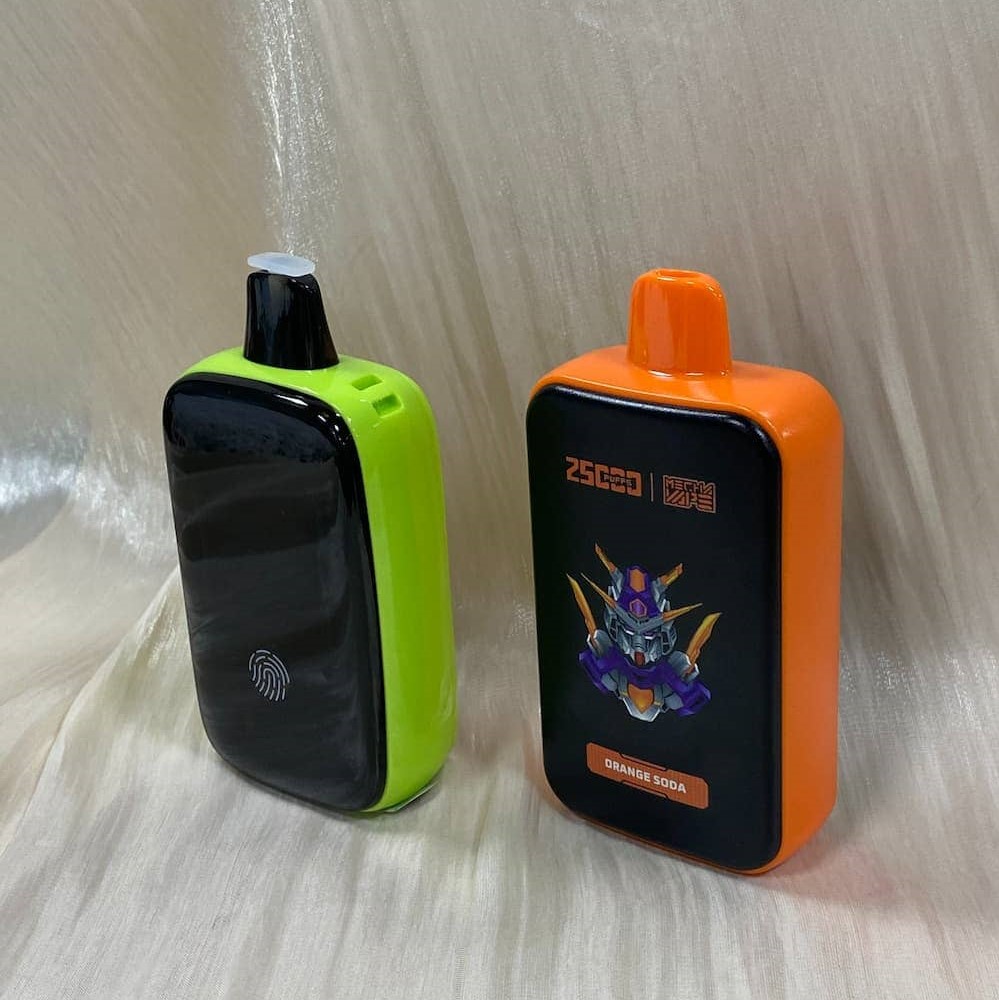
Most disposables will go back to normal once warmed to room temperature, but repeated cold exposure can permanently wear out the coil.
Signs Your E-Liquid Has Thickened Due to Cold
Common signs include:
-
The vape is hard to inhale
-
Flavor becomes faint
-
The device feels “sluggish”
-
Little vapor is produced
-
The pod looks cloudy or syrup-like
-
You experience dry or burnt hits
These symptoms typically disappear once the device warms up.
How to Prevent E-Liquid Issues in Cold Weather
To keep your vape functioning properly in winter, follow these tips:
1. Avoid Leaving Your Vape in Cold Environments
Do not leave your device:
-
In the car
-
On balconies
-
In backpacks stored outdoors
-
Near windows overnight
Room temperature storage is ideal.
2. Warm the Device Gradually
If your vape becomes cold, bring it inside and allow it to warm up naturally.
Do not heat it using:
-
Hair dryers
-
Heaters
-
Hot water
-
Direct sunlight
Sudden temperature changes can damage the device or battery.
3. Use Higher-PG E-Liquids in Winter
High-PG vape juice resists thickening, so switching to 50/50 PG/VG blends in cold weather can improve performance.
4. Keep the Device Near Your Body
Carrying the vape in your pocket helps maintain temperature during outdoor use.
5. Take Shorter, Softer Puffs
Hard pulls may overstress the coil when liquid thickens.
Final Verdict: Does E-Liquid Solidify?
No — e-liquid does not fully solidify at typical winter temperatures, but it can thicken and affect performance significantly. The thicker the liquid becomes, the more likely you are to experience weak flavor, dry hits, poor vapor production, and battery issues.
Fortunately, the effects are temporary. Once your vape returns to normal indoor temperature, performance typically restores on its own.
Related Blog
-
Are Cool Mint and Ice Flavors Really the Same?
When browsing disposable vapes or e-liquids, you’ve probably noticed flavor names like Cool Mint, Mint Ice, Ice Mint, or simply Ice. At first glance, …
-
Why Do Other People’s Vapes Produce So Much Vapor?
If you’ve ever seen someone take a puff from their vape and produce a massive cloud—much thicker and denser than yours—you’re not alone. Many vapers w…
-
Are there any refillable vape as good as Hayati?
When it comes to modern disposable vapes, Hayati has earned a strong reputation for delivering rich flavor, long-lasting puff counts, and convenient u…
-
The Ultimate Guide to Refillable Pod Vapes with Superior Flavor in 2025
For vaping enthusiasts who prioritize a rich and authentic taste experience, refillable pod vapes have become the premier choice. While convenient, di…
-
What Are the Differences Between Waspe 60000 Puffs and ATVS 60000 Puffs Disposable Vape?
In the rapidly growing world of high-end disposable vapes, two names are attracting significant attention in the 60,000-puff segment: Waspe and ATVS. …
-

How Lowering Nicotine Can Enhance Your Experience?
For many people, nicotine is where the vaping journey begins. Whether transitioning from traditional cigarettes or simply seeking an alternative, nico…